Translational METabolomics for Neurodegenerative Diseases DIAgnosis and Prognosis
METNEDIA is an international collaborative exchange programme that unites researchers, clinicians, and experts across Europe to develop innovative tools for the early diagnosis of neurodegenerative diseases.
Discover the ProjectMetabolomics and AI-based Diagnostic Tool for the Early Diagnosis of Neurodegenerative Diseases
METNEDIA is an international collaborative exchange programme that unites researchers, clinicians, and experts across Europe to develop innovative tools for the early diagnosis of neurodegenerative diseases. Staff exchanges are a central pillar of the project. Through international, interdisciplinary, and intersectoral secondments, researchers move between universities, hospitals, and industry partners to work directly with the tools, datasets, and technologies needed for biomarker discovery, mass spectrometry, AI‑based diagnostics, and in vitro validation. This mobility enables hands‑on collaboration, accelerates knowledge transfer, and ensures that expertise in metabolomics, clinical neurology, bioinformatics, and software development is shared across the consortium.
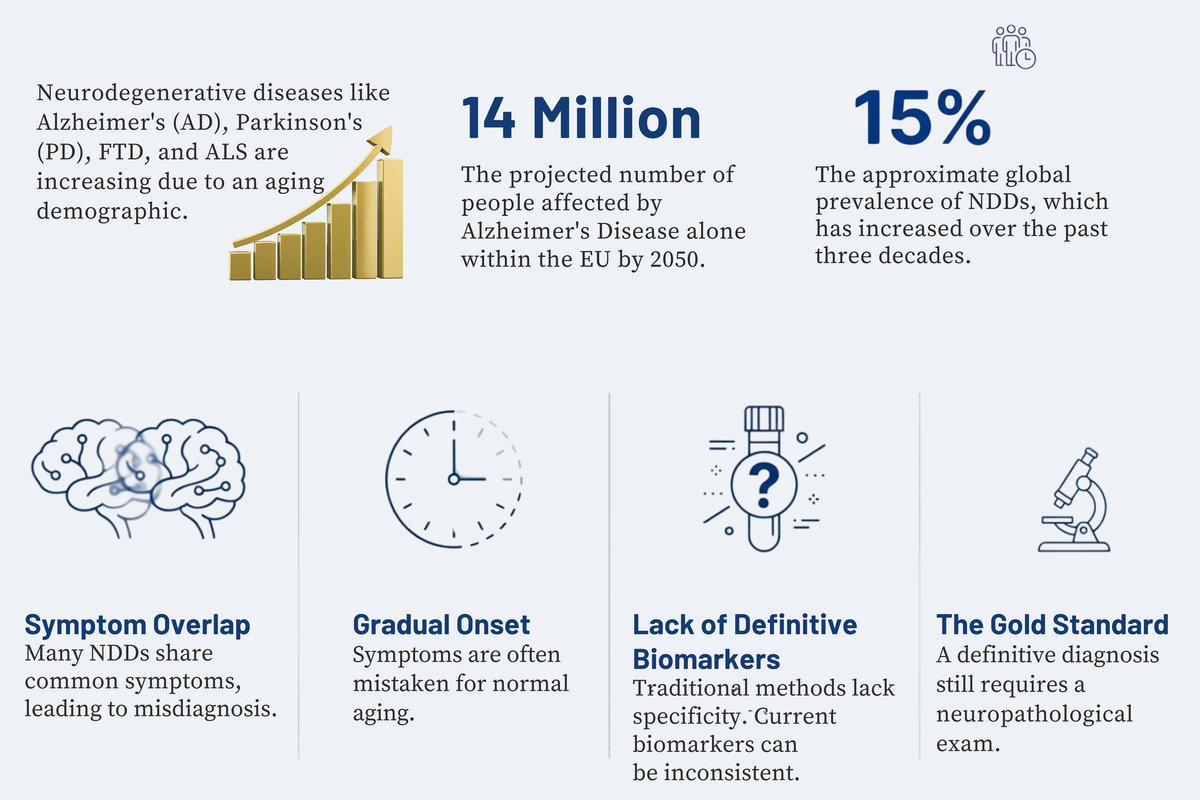
The Challenge
The Solution
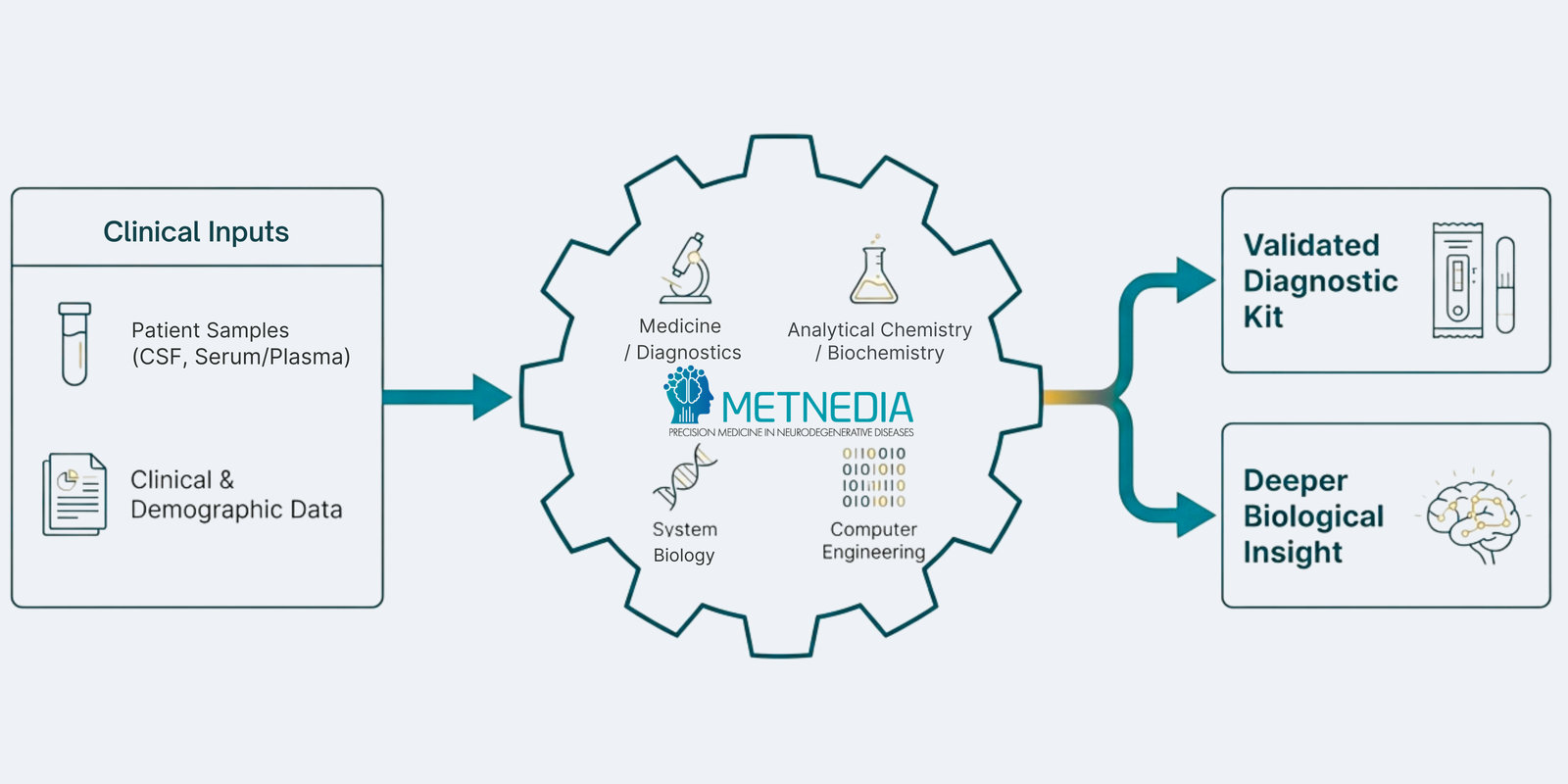
METNEDIA's goal is to deliver a validated diagnostic tool that improves early detection of neurodegenerative diseases, including Alzheimer's, Parkinson's, Frontotemporal dementia, and Amyotrophic Lateral Sclerosis. The project uses untargeted metabolomics to identify key biomarkers in plasma, serum, and cerebrospinal fluid (CSF). These discoveries will feed into a multi-centre diagnostic kit that integrates mass spectrometry with AI-driven algorithms. In vitro studies will clarify the neurotoxic or neuroprotective roles of relevant molecules, while bioinformatics and machine learning will uncover the biological mechanisms driving disease progression.
Impact
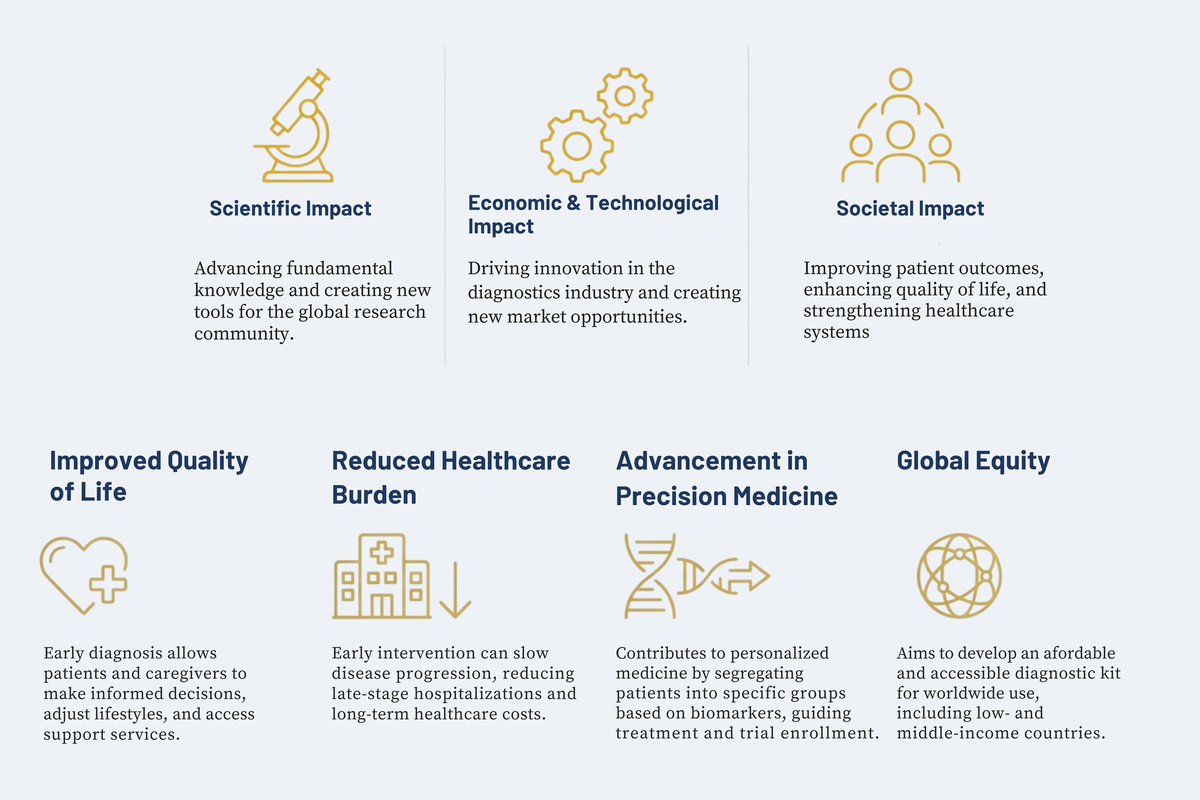
METNEDIA's outcomes extend beyond the laboratory — improving patient outcomes, driving innovation in diagnostics, and advancing fundamental knowledge for the global research community.
A Four-Stage Research Pipeline
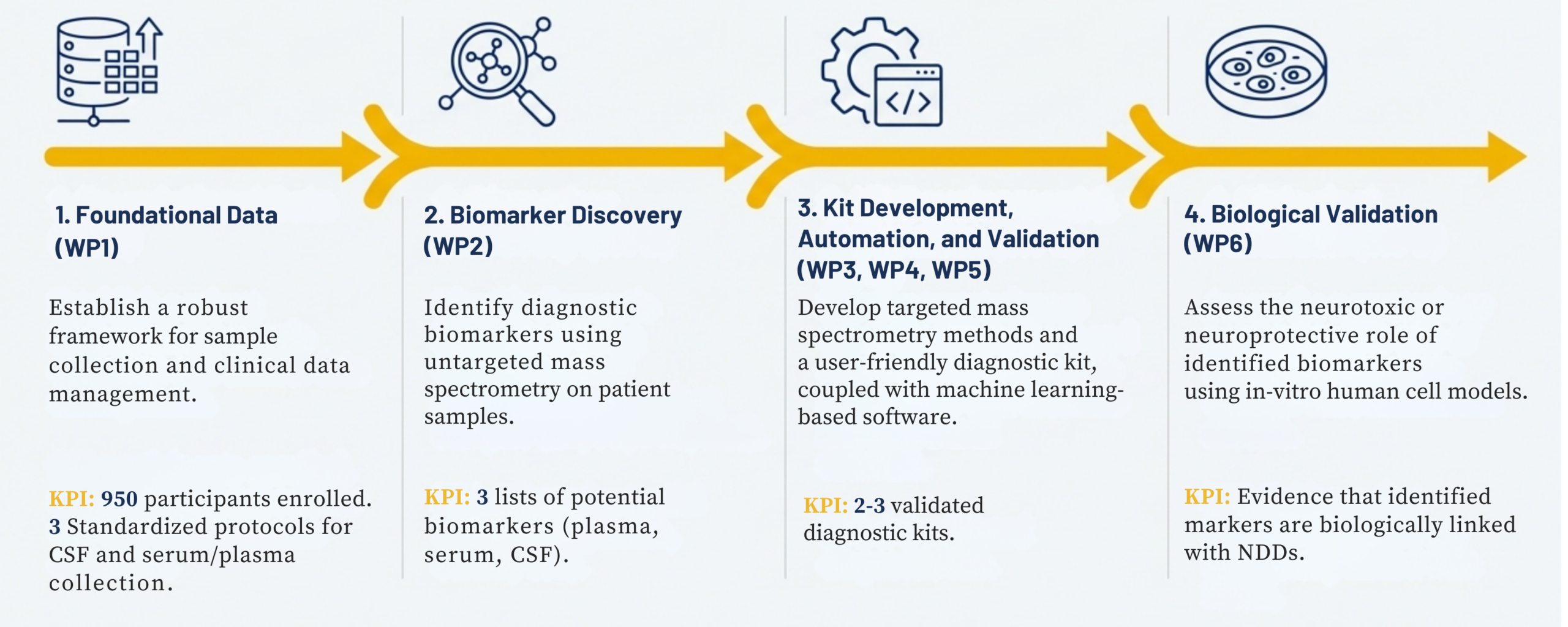
METNEDIA follows a rigorous, multi-stage scientific methodology — from foundational data collection to biological validation — designed to identify and validate novel biomarkers for neurodegenerative disease diagnosis.
Staff Exchanges as a Core Component of the METNEDIA Methodology
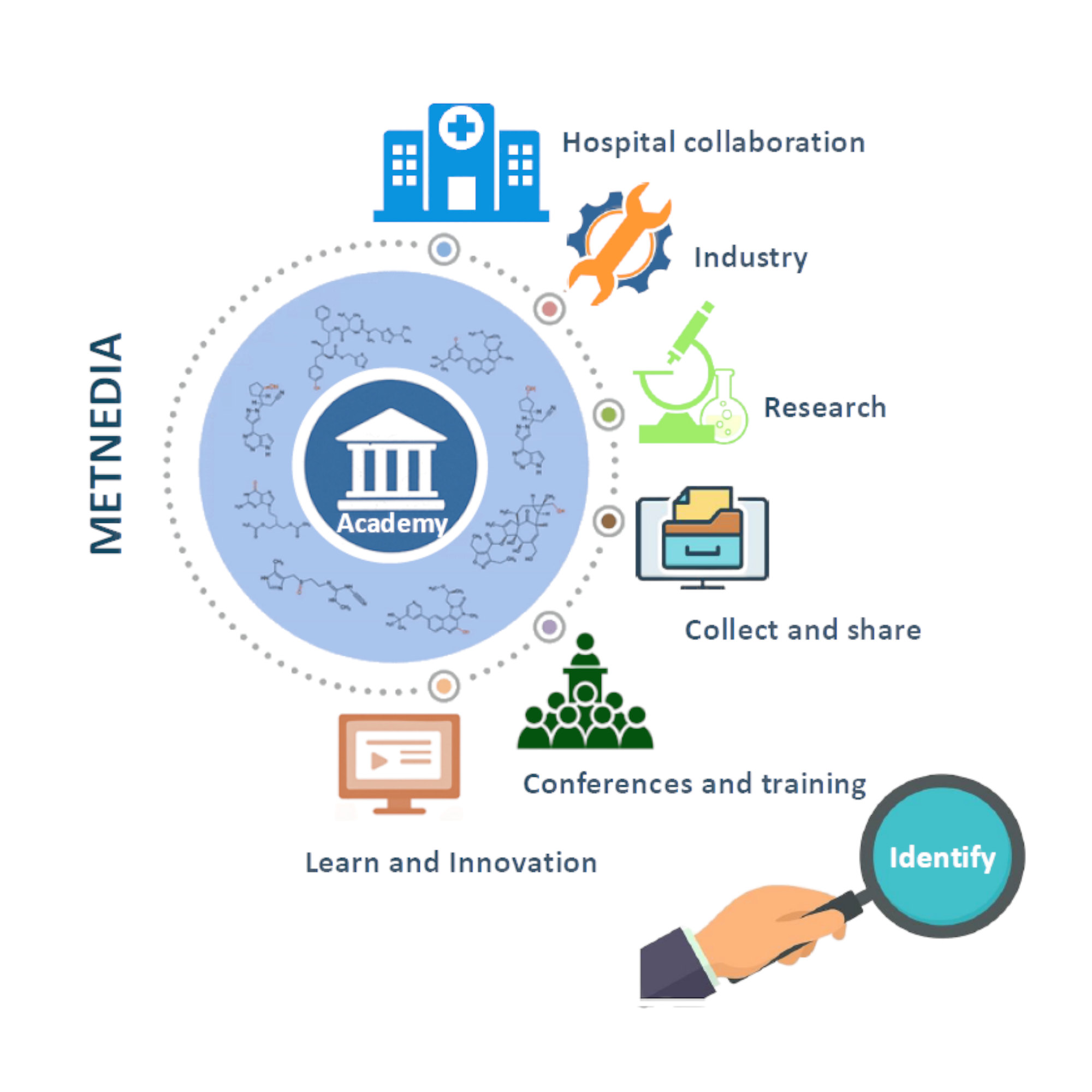
International, interdisciplinary, and intersectoral staff exchanges form the backbone of the METNEDIA methodology. As an MSCA Staff Exchanges project, METNEDIA relies on the mobility of researchers between academic institutions, hospitals, and industry partners to drive scientific progress, transfer expertise, and ensure that knowledge flows seamlessly across sectors.
A total of 221 person‑months of secondments will be implemented over 48 months. These exchanges enable researchers to work directly within host laboratories, clinical centres, and SMEs, gaining hands-on experience with the tools, datasets, and methodologies essential for the project's objectives.
Secondments are embedded in every research and innovation activity. Each Work Package explicitly includes person‑months dedicated to mobility, ensuring that tasks such as sample collection, untargeted metabolomics, biomarker discovery, software development, diagnostic kit design, and in vitro validation are carried out collaboratively across institutions.
Seven Partners, Five Countries,
One Common Goal
The METNEDIA consortium is a diverse, international network comprising seven partners across five European countries. This collaborative group bridges the gap between basic science and clinical practice by uniting esteemed academic institutions such as Università del Piemonte Orientale, King's College London, and the Cyprus Institute of Neurology and Genetics, with leading research hospitals like Policlinico San Donato and Region Hovedstaden. Complementing this scientific foundation are specialized SMEs: NovaMechanics, which provides expertise in artificial intelligence and software development, and SE&C IKE, which leads dissemination and communication strategy.